
OUR STORY
OUR STORY
Every year tens of thousands of species and functional ecosystems, fine-tuned by time and place, disappear.
If these trends continue, the world will become a dismal place indeed, with silent springs and little left to excite the senses except the weeds. Without doubt, the extinction crisis looms as one of humanity’s most pressing problems.
In response to this crisis, Ted Turner, his family, and Mike Phillips established the Turner Endangered Species Fund (TESF) and Turner Biodiversity Divisions (TBD) in June 1997. TESF focuses on species protected under federal and state endangered species laws, whereas TBD considers species that are at slightly less risk. These companion efforts are dedicated to saving biological diversity by ensuring the persistence of imperiled species and their habitats with an emphasis on private land.
We work closely with our partner organizations, Turner Enterprises, Inc. and the Turner Foundation, and invite collaboration with state and federal agencies, universities, and other private organizations.
Whether managing an extant population or restoring an extirpated one, our goal is population persistence with little or no human intervention. We believe that persistent populations of native species are indicative of a healthy landscape and a high degree of ecosystem integrity.
The problems involved in private stewardship are complex and effective solutions require broad-based sociopolitical, biological, geographical, and fiscal considerations. Though our projects may be controversial, slow to succeed or fraught with uncertainty, we intend to stand as a real solution to the extinction crisis.
NEWSROOM
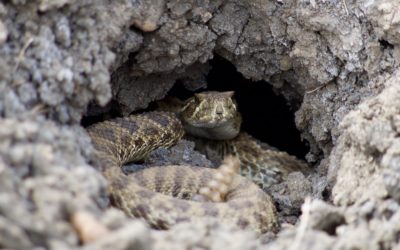
Prairie dogs are ecosystem engineers.
By creating burrow systems, clipping vegetation, and improving the nutrient quality of their habitat, prairie dogs serve as ecosystem engineers that support numerous other native species of the prairie grasslands, including rattlesnakes. Unfortunately, prairie dogs...

Blowout penstemon
For years now, TESF has been assisting with recovery of the species. Since inception in 1997 TESF has been dedicated to arresting the extinction crisis by advancing reintroduction projects for imperiled plants, birds, fishes, mammals, reptiles, and amphibians.
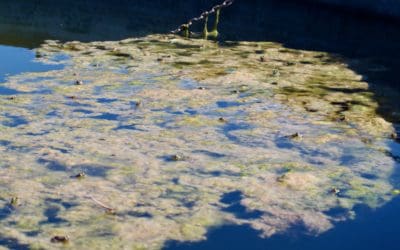
TESF works to conserve one of New Mexico’s largest remaining Chiricahua leopard frog populations.
Water tanks used for bison ranching on the Ladder Ranch in New Mexico have also become important habitat for threatened Chiricahua leopard frogs. TESF works to conserve one of New Mexico's largest remaining Chiricahua leopard frog populations on the Ladder Ranch, and...
Every year tens of thousands of species and functional ecosystems, fine-tuned by time and place, disappear.
If these trends continue, the world will become a dismal place indeed, with silent springs and little left to excite the senses except the weeds. Without doubt, the extinction crisis looms as one of humanity’s most pressing problems.
In response to this crisis, Ted Turner, his family, and Mike Phillips established the Turner Endangered Species Fund (TESF) and Turner Biodiversity Divisions (TBD) in June 1997. TESF focuses on species protected under federal and state endangered species laws, whereas TBD considers species that are at slightly less risk. These companion efforts are dedicated to saving biological diversity by ensuring the persistence of imperiled species and their habitats with an emphasis on private land.
We work closely with our partner organizations, Turner Enterprises, Inc. and the Turner Foundation, and invite collaboration with state and federal agencies, universities, and other private organizations.
Whether managing an extant population or restoring an extirpated one, our goal is population persistence with little or no human intervention. We believe that persistent populations of native species are indicative of a healthy landscape and a high degree of ecosystem integrity.
The problems involved in private stewardship are complex and effective solutions require broad-based sociopolitical, biological, geographical, and fiscal considerations. Though our projects may be controversial, slow to succeed or fraught with uncertainty, we intend to stand as a real solution to the extinction crisis.